
Noah Hall - Taupo
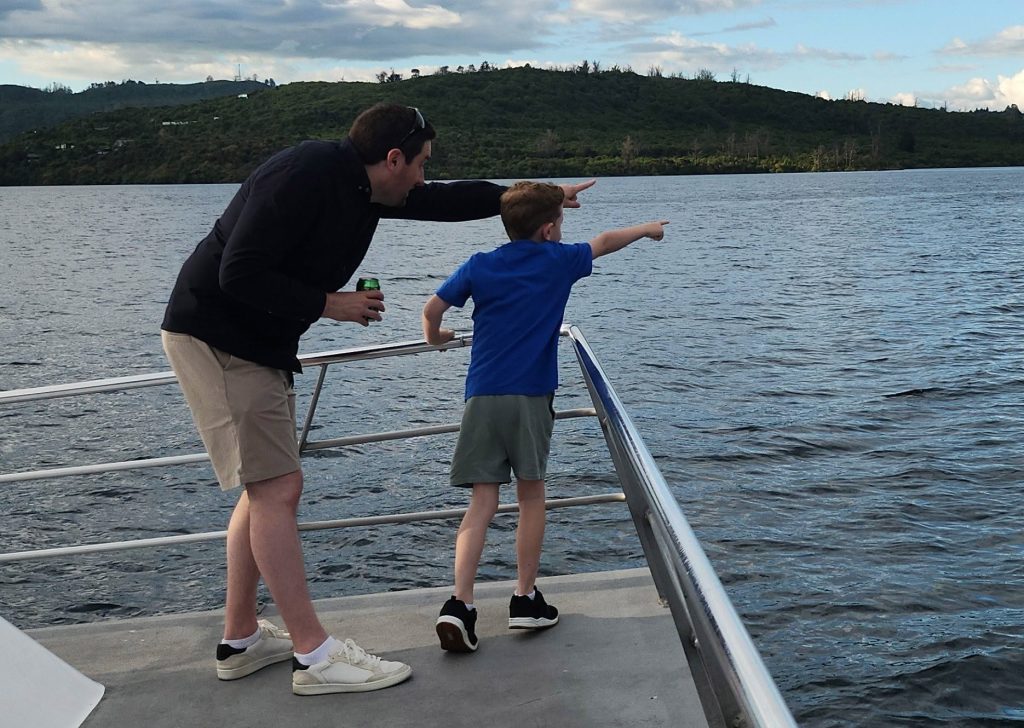
Seven-year-old Noah Hall is the kind of kid who never stops moving. Whether he’s bouncing on the trampoline, shooting hoops, or kicking a soccer ball around the backyard, he brings an energy that fills every room he enters. His mum, Tara, loves pottering in the garden or curling up with a book - always with an eye on Noah, who is usually running over to pull her back into a game. Their tight little family is wrapped in the support of Granny Diana, who spoils Noah at every opportunity, and Uncle Chris, who is always ready for a kick-around.
But on Good Friday 2023, their world changed.
Noah had been complaining of a sore right leg for months - something previously dismissed as “growing pains.” But that day in Taupō ED, an ultrasound revealed worrying abnormalities. A week later, after more extensive imaging in Auckland, doctors discovered that Noah’s right kidney had grown to nearly five times its normal size. A biopsy followed, then an agonising month-long wait for answers. 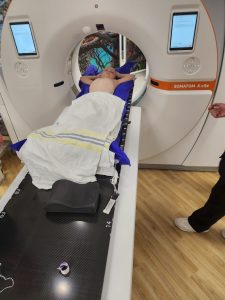
The diagnosis was devastating: clear-cell sarcoma of the right kidney, already metastasised to his lungs and bones.
“It was gut-wrenching and heartbreaking,” Tara says, “but I had to stay positive so Noah never worried.”
The first year of treatment – 2023 - brought 10 cycles of chemotherapy and the removal of Noah’s right kidney. When he went into remission that November, the family finally allowed themselves to breathe. But the relief was short-lived. In June 2024, Noah relapsed, beginning another 10 cycles of chemotherapy and five rounds of radiation. That Christmas was spent at Ronald McDonald House®, where the team made sure it still felt magical.
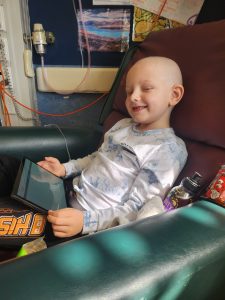 Noah completed his final chemo the day before his seventh birthday in 2025, and the last tumour was removed via keyhole surgery in June. But in early November, the family faced their worst fear again: a second relapse.
Throughout every stage, Ronald McDonald House has been a lifeline.
“Knowing we had somewhere safe and secure to stay, close to the hospital, took such a huge weight off our shoulders,” says Tara, “the staff always made us feel welcome and made sure we had everything we needed.”
Without RMHC, accommodation and food costs would have run into the thousands, and the risks of staying in hotels with an immunocompromised child would have been even greater.
“Thank you so much for everything you do,” Tara says. “You relieve so much stress for families like ours, allowing us to focus on supporting our sick loved ones. You always have a smile, no matter the time of day or night.”